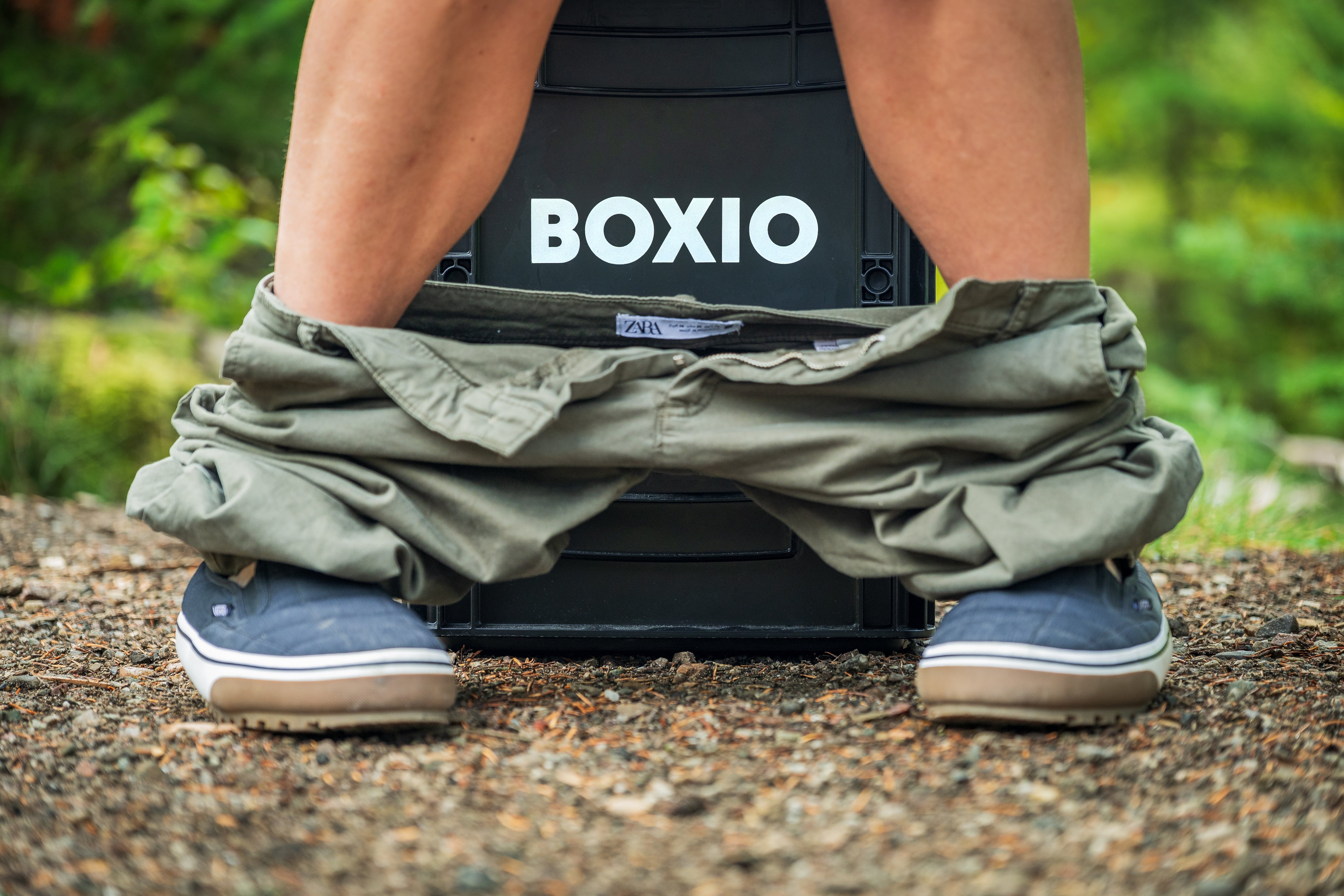



Composting toilets are no longer just a niche topic but an integral part of van life, camping, tiny houses, overlanding, and even allotment garden routines. Many guides now see them as the sustainable alternative to chemical toilets, mainly because they operate without water or chemicals and separate solids and liquids.
The BOXIO composting toilet is a typical example: compact in Eurobox format, lightweight (approx. 3.9 kg), and mobile – perfect for campers, van life enthusiasts, garden owners, and tiny house residents.
In this guide, we'll look at how to use a composting toilet in everyday life, focusing on camping, van life, outdoor activities, gardening, tiny houses, and overlanding. For specific examples, we will always refer to the BOXIO composting toilet.
Proper Use: Bedding Material, Liquid Separation, Seating Comfort
A composting toilet works really well in everyday life if three basics are in place: bedding material, clean separation, and seating comfort.
Understanding Bedding Material – Why Litter is the Heart of Your Composting Toilet
Bedding material is not just "decoration" but a real game-changer. Guides and manufacturers describe bedding material as a mixture of odor filter, moisture killer, and privacy screen:
-
It binds moisture in solids,
-
thereby reducing odors,
-
supports drying & composting,
-
optically covers "piles."
Popular bedding material options according to relevant composting toilet blogs:
-
Wood shavings / small animal bedding
-
Wood or bedding pellets
-
Coconut fibers / coco bricks
-
Bark mulch (often has particularly good odor binding due to certain plant ingredients)
Typical process for a BOXIO composting toilet in daily use (based on general composting toilet guides):
-
Before use:
-
Line the solids container with a bag.
-
Add a thin layer of bedding material.
-
-
After each "big business":
-
1–2 handfuls of bedding material on top → "cover layer."
-
-
When the bag is full:
-
Tie it up and dispose of it as residual waste or to your own compost, depending on the disposal method (details below).
-

This creates a practical routine, whether you use your BOXIO composting toilet in a van, garden shed, or tiny house.
Liquid Separation – So Your Composting Toilet Doesn't Tip Over in the Van
The separation insert is the real "secret." It ensures that:
-
Urine flows cleanly forward into the urine tank,
-
solids fall dry into the solids container.
This is crucial because odor primarily arises when urine and feces mix. That's why manufacturers and guides repeatedly emphasize: separation = less stench, no chemicals needed.
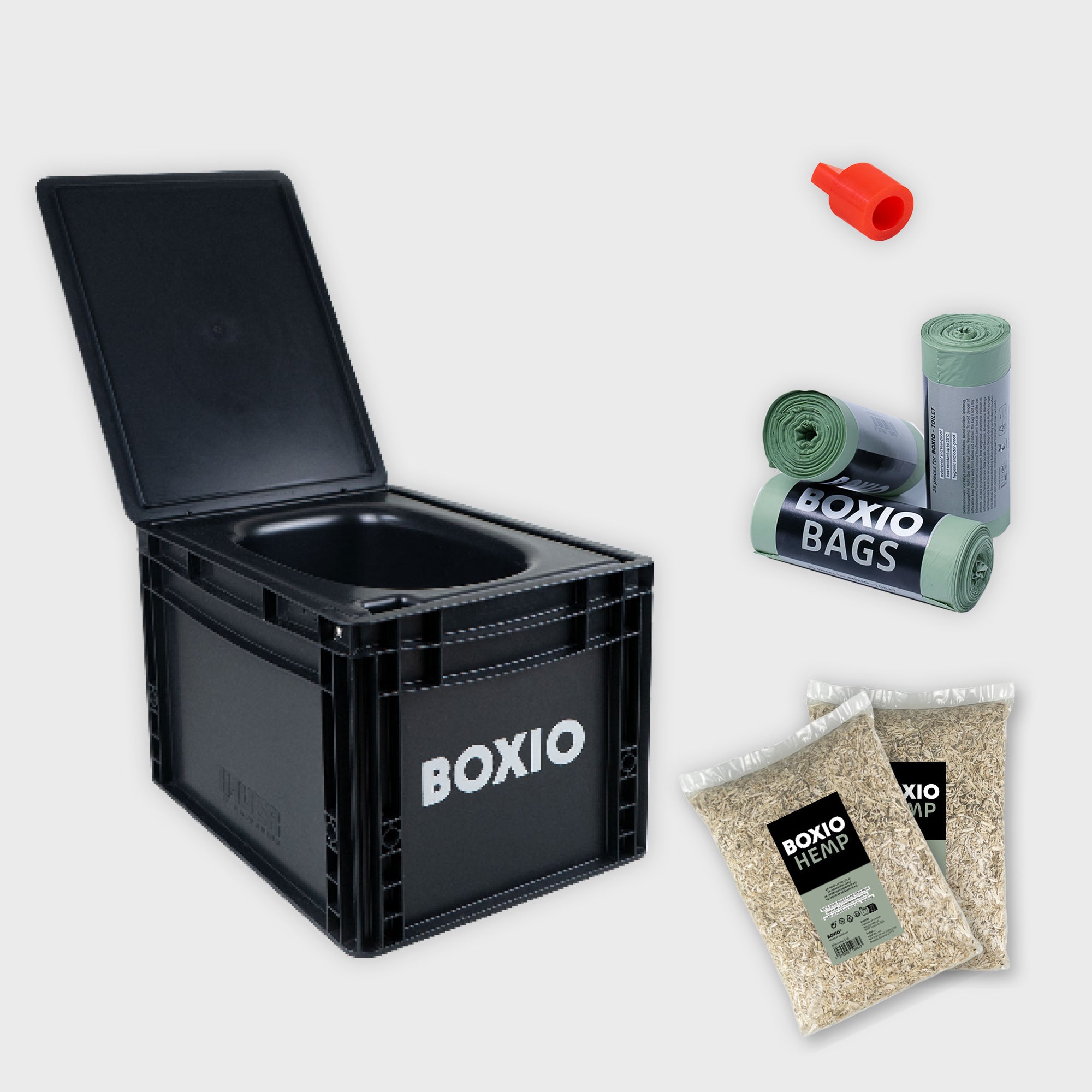
In a compact box like the BOXIO composting toilet, this insert is designed to fit typical sitting positions in a van, bus, or garden shed. Practical tests confirm that the BOXIO provides clean separation and easy everyday use for campers and van lifers.
BOXIO - TOILET PLUS | Composting toilet with starter set
Seating Comfort in the Van & Tiny House – Comfortable at Eurobox Level
Many tests highlight that the BOXIO composting toilet, despite its compact Eurobox format, is surprisingly comfortable and remains robust in everyday use.
Typical practical tips mentioned in van life guides:
-
Adjust seat height:
-
If the standard height is too low for you, you can place the BOXIO on a second Eurobox or a platform.
-
-
Fixed installation vs. mobile:
-
In a van, you can integrate it into furniture or use it freely as a "toilet box," depending on how flexible you want to be.
-
-
Lid closed = dust protection:
-
With the lid closed, the BOXIO simply looks like "just a box" from the outside – practical in small vans.
-
Odor Management: Practical Tips, Ventilation, Bedding Material Types
Why a Composting Toilet Doesn't Have to Stink
Guides from manufacturers like TROBOLO and Trelino, as well as independent blogs, agree: composting toilets only smell if something goes wrong – e.g., too moist, incorrectly filled, or poorly ventilated.
The most important adjustments:
-
Keep dry:
-
Use enough bedding material
-
Empty solids container in good time
-
-
Clean separation:
-
Regularly check & clean the separation insert
-
-
Ventilation & fresh air:
-
Close the lid when not in use
-
Ventilate (windows, roof hatch), especially in a van
-
Many practical tips emphasize: "dry waste doesn't stink" – which is precisely why the combination of a separation system and bedding material is so effective.
Bedding Material Types – What Suits Your Everyday Life?
Long-Tail Topic: "Which bedding material is best for a composting toilet in a van?"
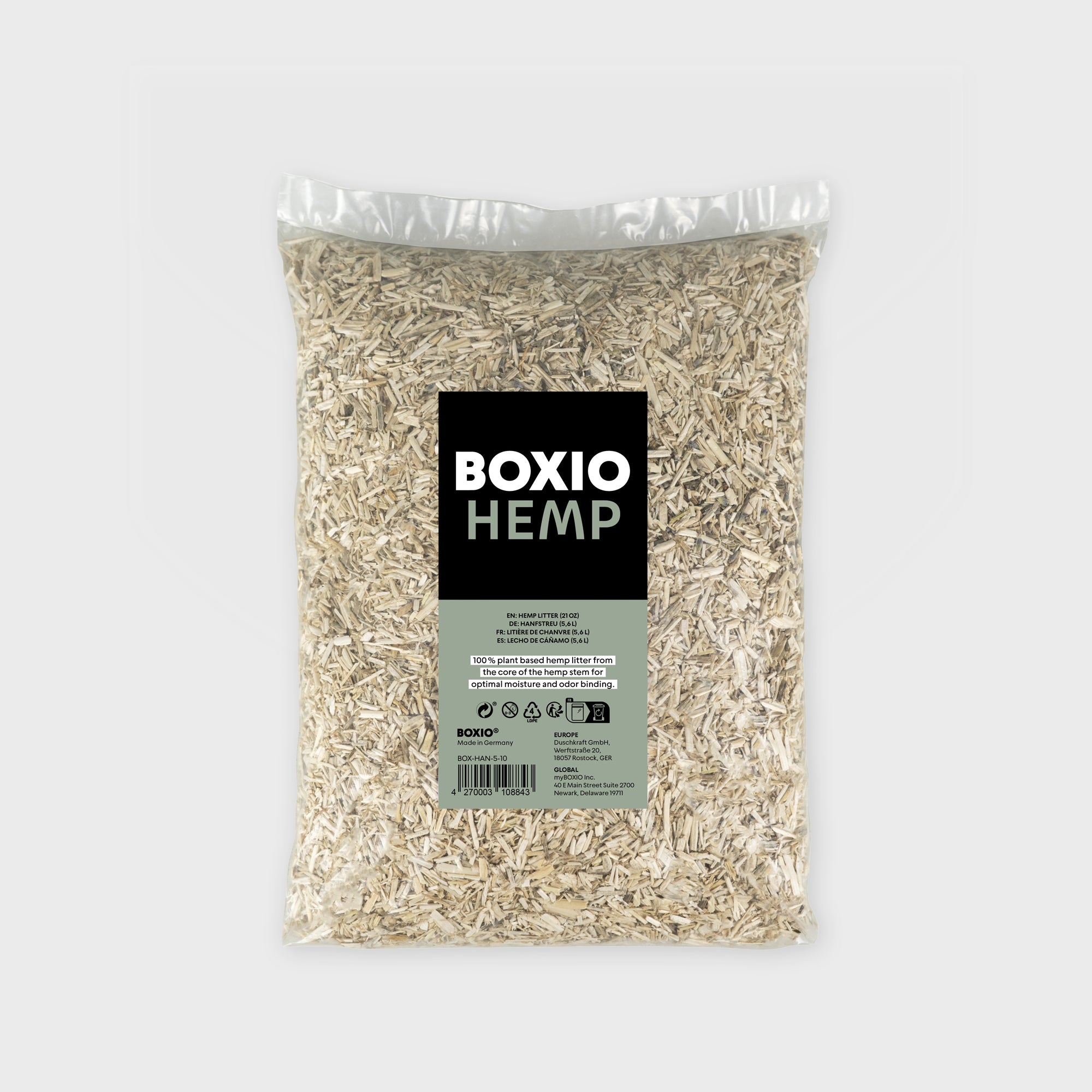
Most guides favor fine, absorbent materials: wood shavings, pellets, fine organic litter, sometimes mixed with coconut fibers or bark mulch.
-
In a van / camping routine:
-
light, easily compressible bedding material (e.g., wood shavings or pressed coco bricks)
-
-
In the garden / tiny house:
-
if you want to compost, a mixture of natural materials like bark mulch can be useful
-
For your BOXIO composting toilet in your camping routine this means:
You can follow these recommendations and try out what works best for you in your setup (climate, travel duration, storage space).
BOXIO - HEMP | Hemp litter
Disposal on the Go (Legal & Practical)
How do I dispose of the composting toilet in a van/camping routine?
Many reputable guides describe it as follows:
-
Urine:
-
empty into a regular toilet (e.g., at a campsite, rest stop, or at home),
-
or – depending on local regulations – use on your own property or private land (in the garden), sometimes even diluted as fertilizer.
-
-
Solids:
-
dispose of in a sealed bag with residual waste – this is the "default method" in many guides if you don't compost.
-
or compost properly (especially in your own garden, observing local regulations).
-
Important while on the go:
-
Don't just "dump" anything in the forest or by the lake – many camping and toilet guides make it clear that contents should only end up in toilets, at disposal stations, or in your own system.
For your BOXIO composting toilet in a van or during overlanding, this means:
-
Urine tank → nearest toilet (rest stop, campsite, home)
-
Solid waste bag → residual waste bin or, if available, your own compost in the garden
Everyday Scenarios: Composting Toilet Camping, Van Life, Garden, Tiny House & Overlanding
Composting Toilet Camping Everyday – Never Again "Stumble Across the Site at Night"
Many camping guides recommend composting toilets as a comfort upgrade: no nightly sprint to the sanitary building and no chemical toilet stench in the bus.
With a BOXIO composting toilet while camping you have:
-
your own toilet directly at the tent or in the awning,
-
no dependence on sanitary buildings (especially at basic sites),
-
easy disposal via toilet / residual waste.
Composting Toilet in the Van – Your Mini-Bathroom on Four Wheels
Tests of BOXIO composting toilets in vans show: The combination of compact format, low weight, and chemical-free system is ideal for vans, panel vans, and buses.
Many van life guides recommend:
-
placing the composting toilet so that it is easily accessible in everyday life,
-
regularly emptying the urine tank,
-
integrating the BOXIO into a seat or a cabinet module, for example.
Outdoor, Surfing, Fishing – Composting Toilet at the Spot
More and more outdoor blogs mention composting toilets as a solution to keep popular spots clean – whether it's a surf spot, climbing area, or fishing spot.
With a mobile composting toilet like the BOXIO you can:
-
have longer sessions at the spot without an "emergency plan" in the bushes,
-
dispose of waste cleanly via residual waste & sewage system,
-
practice leave-no-trace principles while on the go.
Composting Toilet in the Garden & Allotment Garden
In tests and guides, the composting toilet is repeatedly described as the perfect garden or shed toilet because it works without a water connection and solids can sometimes be integrated directly into your own compost.
With a BOXIO composting toilet in the garden, you benefit from:
-
short "toilet logistics" when the house is far away,
-
the possibility to compost the solid waste properly (depending on legal situation and setup),
-
an self-sufficient solution for garden sheds, arbours, or workshops.
Composting Toilet for Tiny House & Off-Grid Living
Tiny house providers and blogs regularly name composting toilets as a standard solution because a classic sewer connection is often not possible or desired.
For your Tiny House with BOXIO composting toilet this means:
-
you are independent of water and wastewater systems,
-
you can – if planned correctly – compost contents or dispose of them via residual waste / toilet,
-
you get a setup that is also suitable for future locations or moves.
Mobile Composting Toilet Overlanding & Off-road
Overlanding and off-road communities are increasingly relying on mobile dry composting toilets because they are self-sufficient and you are not dependent on disposal stations.
A BOXIO composting toilet during overlanding:
-
requires little space in the vehicle,
-
works without electricity, water, or chemicals,
-
is easy to manage even on longer tours (solid waste bag + urine tank).
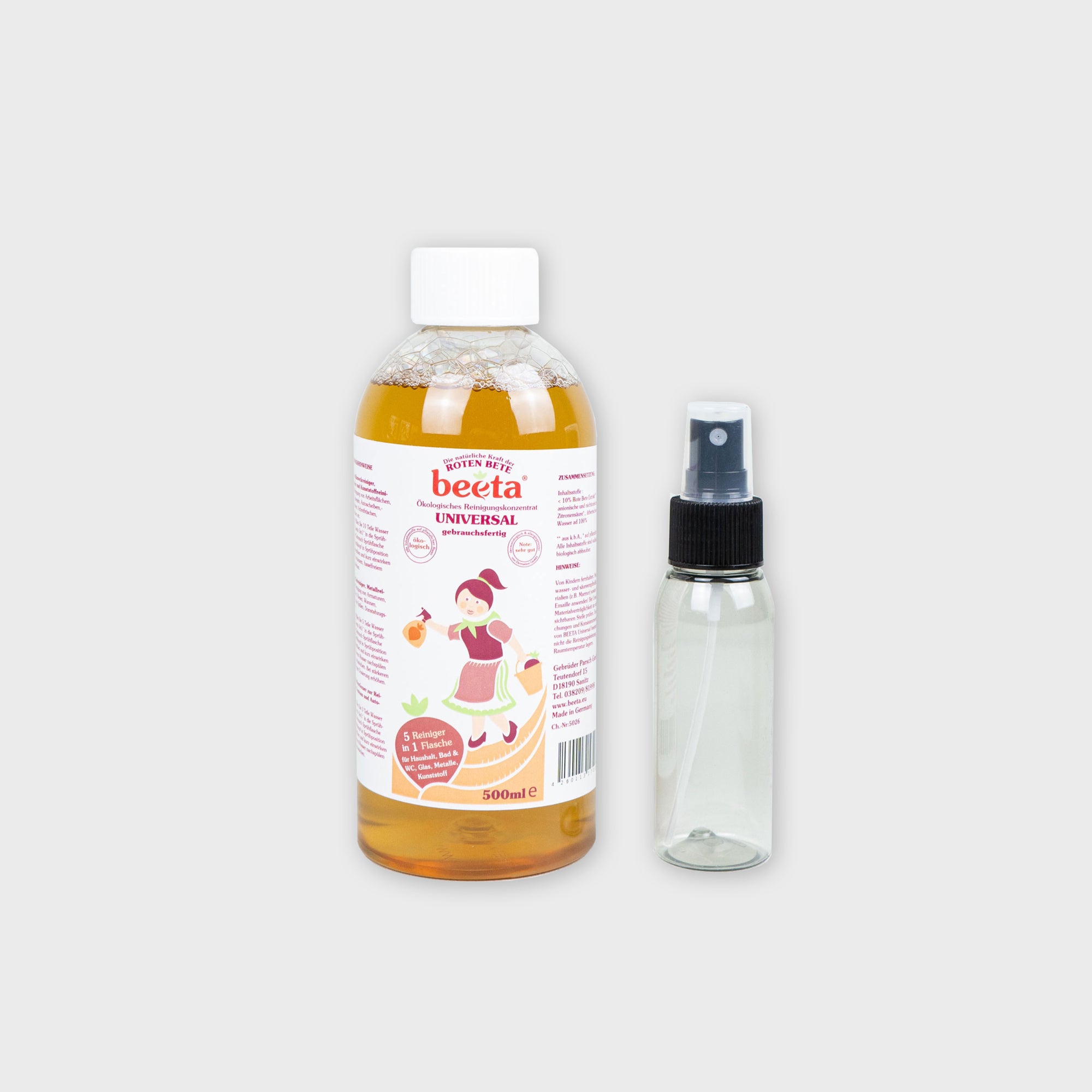
BOXIO - CLEAN | Cleaning agents
Cleaning & Maintenance in Everyday Life
Many manufacturer and practical guides recommend a simple but consistent routine:
-
Urine tank: rinse regularly with water and, if necessary, some vinegar cleaner to avoid deposits and odors.
-
Separation insert & seat: keep clean with mild cleaner and cloth to maintain hygiene.
-
Solids container: after emptying, dispose of the bag, wipe out the container, let it dry, and then restock with a new bag & bedding material.
The BOXIO composting toilet instructions and guide articles provide practical step-by-step tips on how to prepare your composting toilet for the season and keep it clean long-term.
FAQ: Frequent Questions About Composting Toilets in Everyday Life (Van, Camping, Garden & Co.)
How often do I need to empty my composting toilet in a van?
This depends on:
-
number of people,
-
frequency of use,
-
container volume
Practical tests show that compact models like the BOXIO composting toilet can last several days in a van, depending on the occupants and habits, before the solid waste bag and urine tank need to be emptied.
Which bedding material is suitable for the BOXIO composting toilet in everyday life?
Guides generally recommend absorbent natural materials such as wood shavings, pellets, coconut fibers, or bark mulch. It's important that the bedding material binds moisture and dries well – this keeps your composting toilet in the van, garden, or tiny house odor-free.
Can I simply dispose of the contents of a composting toilet in nature?
Guides and disposal instructions are very clear here:
-
No, don't just dump it anywhere in the forest or dunes.
-
Urine and solids should be disposed of via toilets, disposal stations, residual waste, or a properly maintained compost in your own garden – depending on local legal regulations.
Is a dry separating toilet suitable for everyday use in vanlife & tiny houses?
Guides, tests, and practical reports come to a fairly unanimous conclusion: Yes – especially in vanlife, tiny houses, and allotments, a dry separating toilet is often the most relaxed solution because it:
-
is independent of water & sewage,
-
minimizes odors,
-
is easy to dispose of,
and with compact models like the BOXIO dry separating toilet, it fits perfectly into small spaces.
Conclusion: BOXIO as a dry separating toilet expert for your everyday life
If you look at current guides, tests, and blog posts on the topic of dry separating toilets in everyday life, you'll notice:
-
Dry separating toilets are described as a standard solution for camping, vanlife, tiny houses, gardens, and overlanding.
-
Mobile models like the BOXIO dry separating toilet serve many authors as a concrete example when it comes to compact, affordable, and everyday-suitable solutions.
So, if you're searching for "dry separating toilet van," "dry separating toilet camping everyday," "dry separating toilet in the garden," or "dry separating toilet for a tiny house," there's hardly any way around the combination of a separating system + litter + clever disposal routine – and this is exactly where the BOXIO dry separating toilet plays to its strengths.